

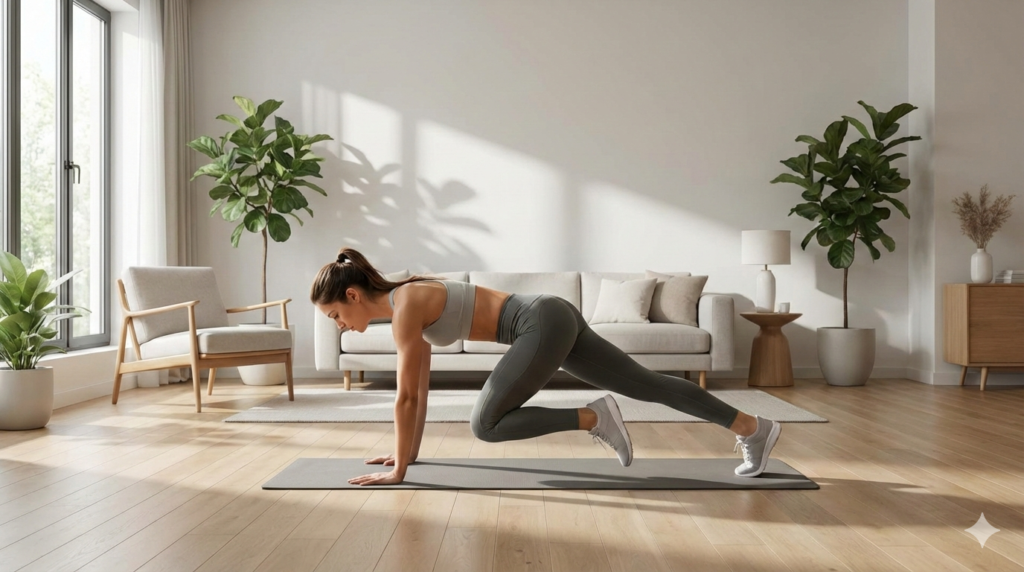
For many women, weight loss is not just about appearance but about improving energy levels, metabolic health, and long-term well-being. While diet plays an important role, exercise choice significantly affects how efficiently the body burns fat. High-Intensity Interval Training (HIIT) has emerged as one of the most effective workout methods for women, especially when done at home.
According to Healthline, HIIT workouts can burn more calories in less time compared to traditional steady-state cardio, while also improving cardiovascular fitness and insulin sensitivity.
This article explains how HIIT workouts at home help women lose weight, why they are effective, and how to structure them safely for sustainable fat loss.
Why HIIT Workouts Are Effective for Weight Loss in Women
Weight loss depends on maintaining a calorie deficit, but how the body responds to exercise matters just as much as how many calories are burned.
According to WebMD, HIIT workouts increase calorie burn both during and after exercise due to excess post-exercise oxygen consumption (EPOC), often referred to as the “afterburn effect.”
This means the body continues to burn calories even after the workout ends, which is particularly beneficial for women with limited time.
How HIIT Affects Fat Loss and Metabolism
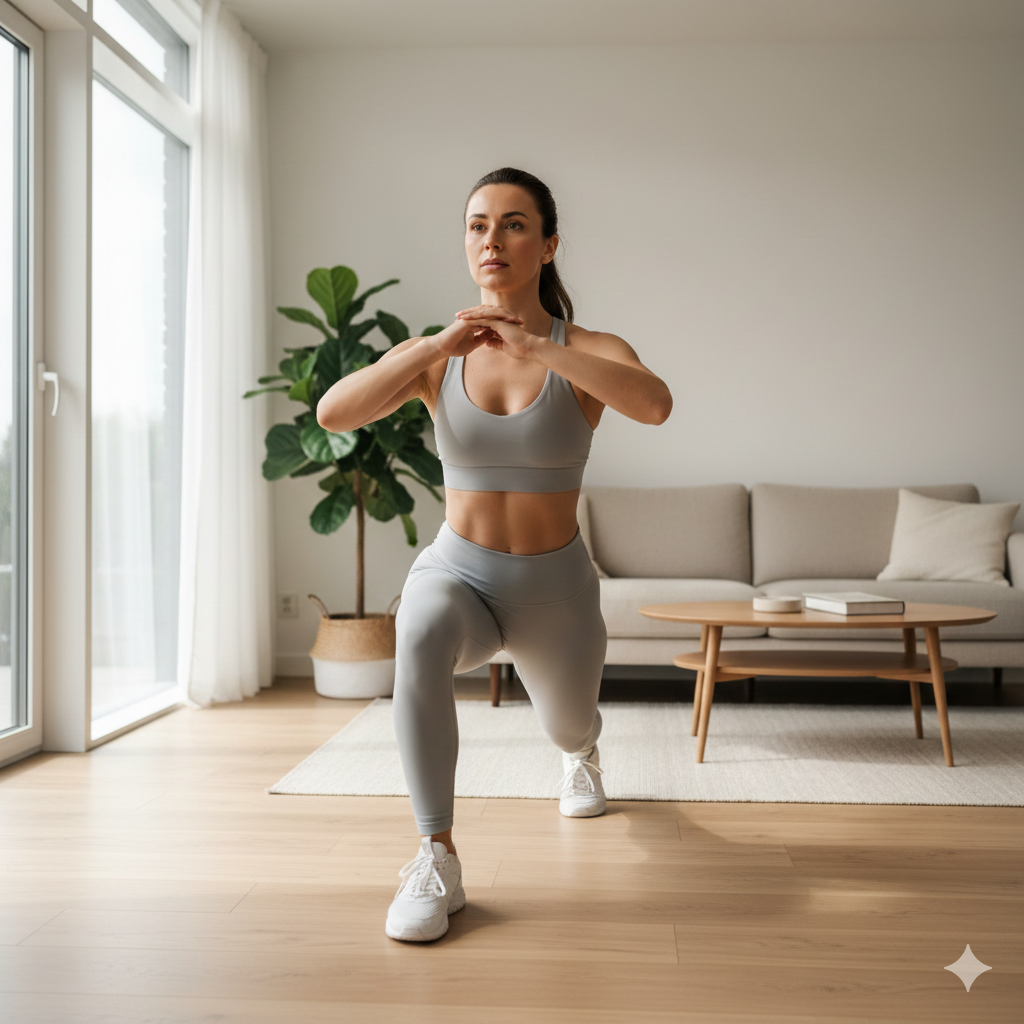
1. Increases Metabolic Rate After Exercise
HIIT elevates heart rate quickly and challenges multiple muscle groups in short bursts. This leads to increased oxygen consumption post-workout.
According to the American Council on Exercise, HIIT sessions can elevate metabolic rate for hours after training, contributing to greater total energy expenditure.
This metabolic response supports fat loss without requiring long workout sessions.
2. Improves Insulin Sensitivity
Improved insulin sensitivity helps the body use glucose efficiently rather than storing it as fat.
Research published by the National Institutes of Health shows that HIIT improves insulin sensitivity and reduces visceral fat, especially in women.
Better insulin control is particularly important for women experiencing hormonal fluctuations that can affect weight management.
Why At-Home HIIT Workouts Work Well for Women
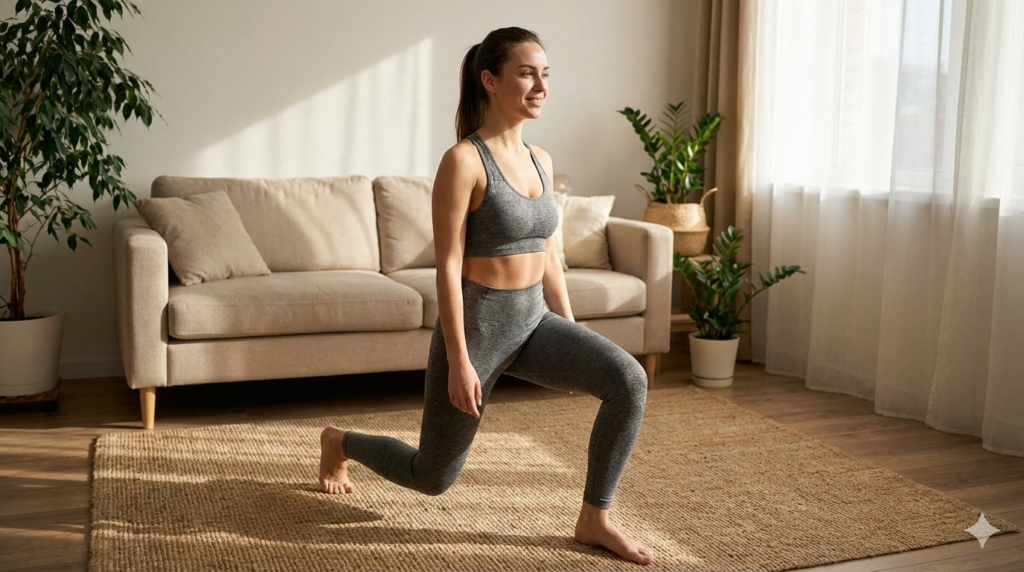
Many women struggle with consistency due to busy schedules, family responsibilities, or lack of access to gyms.
According to Women’s Health Magazine, at-home HIIT workouts are effective because they require little to no equipment and can be completed in 20–30 minutes.
Consistency, rather than workout duration, is one of the strongest predictors of long-term fat loss.
Assessing Weight and Fat Loss Progress
Scale weight alone does not always reflect true progress, especially when HIIT helps preserve lean muscle mass.
Common clinical reference methods used to assess progress include:
- Body Mass Index (BMI) for general weight classification
- Body fat percentage to track actual fat loss
- Daily calorie requirements based on activity level
Tracking these metrics alongside sleep and nutrition helps provide a clearer picture of progress.
Sample HIIT Workout Structure for Beginners
HIIT workouts typically alternate between short bursts of intense activity and brief recovery periods.
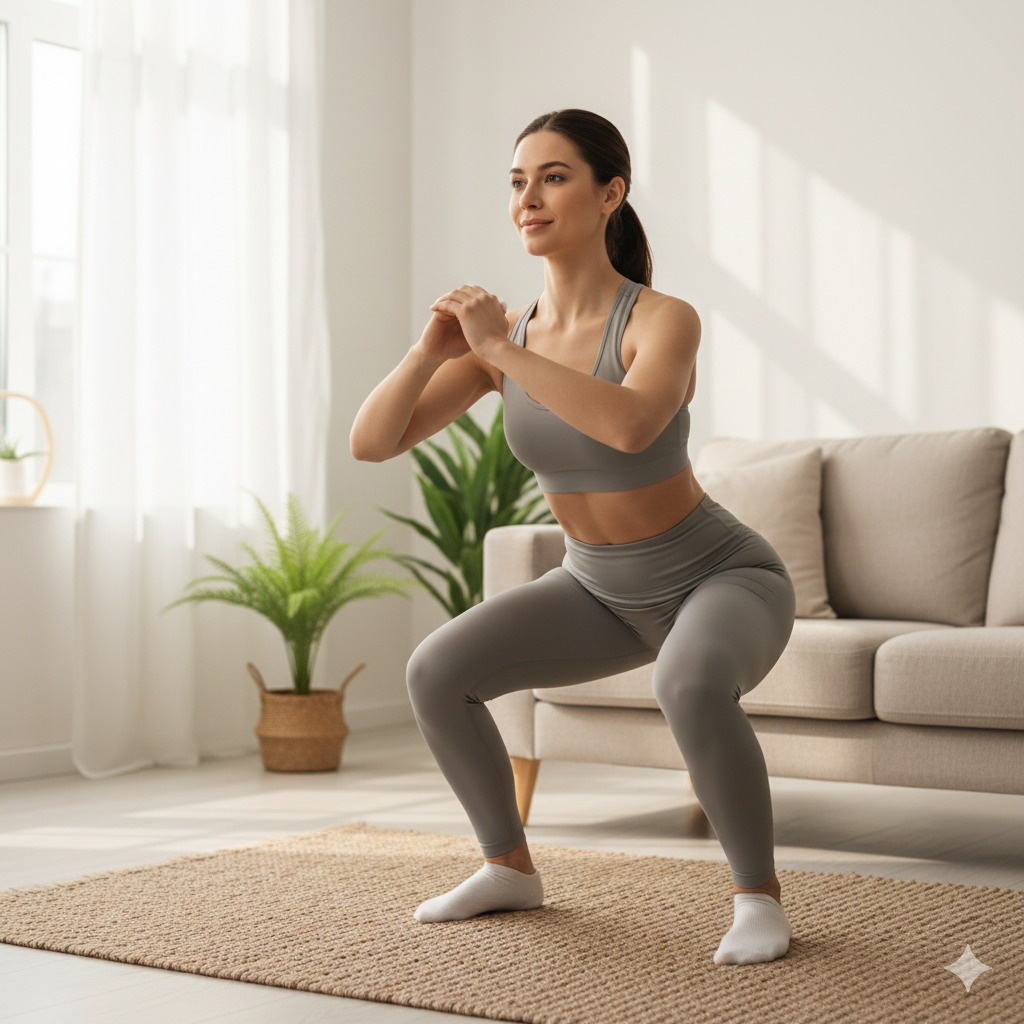
Example Beginner HIIT Session (20 Minutes)
| Interval | Exercise | Duration |
|---|
| Warm-up | Marching or jumping jacks | 5 minutes |
| Work | Squats | 30 seconds |
| Rest | Walking in place | 30 seconds |
| Work | Push-ups (modified if needed) | 30 seconds |
| Rest | Standing recovery | 30 seconds |
| Work | High knees | 30 seconds |
| Rest | Slow march | 30 seconds |
| Cool-down | Stretching | 5 minutes |
According to Healthline, beginners should focus on proper form and gradually increase intensity to reduce injury risk.
HIIT and Belly Fat Reduction
Belly fat is strongly influenced by stress hormones, insulin resistance, and sleep quality.
How Often Should Women Do HIIT for Weight Loss?
Most experts recommend 2–4 HIIT sessions per week, depending on fitness level.
According to the Mayo Clinic, excessive HIIT without adequate recovery can increase injury risk and stress hormones, which may slow weight loss.
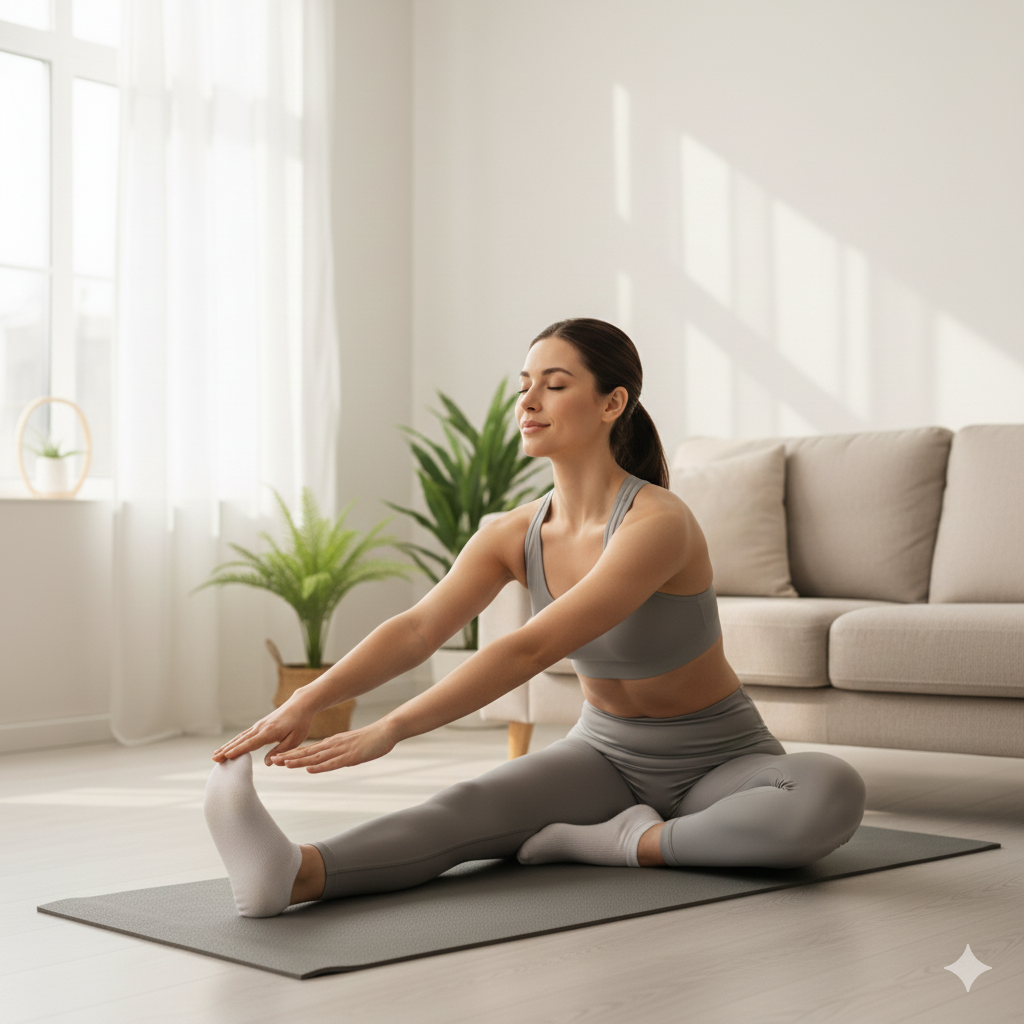
Balancing HIIT with strength training, walking, or yoga improves recovery and sustainability.
Common HIIT Mistakes Women Should Avoid
- Skipping warm-ups and cool-downs
- Doing HIIT every day without recovery
- Ignoring proper nutrition and hydration
- Focusing only on intensity instead of consistency
Overtraining can elevate cortisol levels, which may promote fat storage rather than fat loss.
Supporting HIIT with Nutrition and Lifestyle
Exercise alone is rarely enough for sustained weight loss.
According to Harvard Health Publishing, combining regular physical activity with balanced nutrition and adequate sleep produces better long-term results.
Understanding resting energy needs can help align nutrition with activity levels.
Frequently Asked Questions (FAQs)
Are HIIT workouts safe for women?
Yes, when performed with proper form and appropriate intensity. Beginners should start slowly and progress gradually.
Can beginners do HIIT at home?
Yes. Many HIIT exercises use body weight and can be modified to suit fitness level.
How long does it take to see results from HIIT?
Some women notice improvements in endurance and energy within 2–3 weeks, while visible fat loss may take several weeks depending on diet and consistency.
Medical Disclaimer
This content is for informational purposes only and does not constitute medical advice. Always consult a qualified healthcare professional before starting any new exercise program, especially if you have medical conditions or injuries.
Conclusion
Scientific evidence strongly supports HIIT workouts at home as an effective and time-efficient approach for weight loss in women. By improving metabolic rate, insulin sensitivity, and overall energy expenditure, HIIT helps create the conditions needed for sustainable fat loss.
When combined with proper sleep, balanced nutrition, and regular tracking of body metrics, HIIT can be a powerful tool for improving both physical health and confidence.