
Weight loss for women is not about extreme dieting, punishing workouts, or chasing unrealistic body standards. Sustainable weight loss is built on understanding how the female body works, creating supportive habits, and following strategies that fit real life—not perfection.
This comprehensive guide is designed specifically for women who want long-term results without burnout. Whether you are a beginner, a busy professional, postpartum, or restarting after setbacks, this pillar article will walk you through nutrition, exercise, sleep, mindset, and lifestyle strategies that truly support healthy weight loss.
1. Why Weight Loss Is Different for Women
Women experience weight loss differently due to hormonal cycles, reproductive health, stress response, and metabolic differences. These factors influence hunger, fat storage, energy levels, and recovery.
Unlike short-term diet trends, sustainable weight loss focuses on:
- Fat loss rather than scale weight
- Preserving muscle mass
- Supporting hormonal balance
- Maintaining consistency over time
Understanding this foundation prevents frustration and helps women build strategies that last.
2. Setting Realistic Weight Loss Goals
Healthy weight loss is gradual. For most women, losing 0.5 to 1 pound per week is considered sustainable.
Instead of focusing only on the scale, consider tracking:
- Energy levels
- Strength and endurance
- Clothing fit
- Mood and sleep quality
Tools such as an ideal weight calculator can provide general reference points, but progress should always be personalized.
3. Nutrition Basics for Sustainable Weight Loss
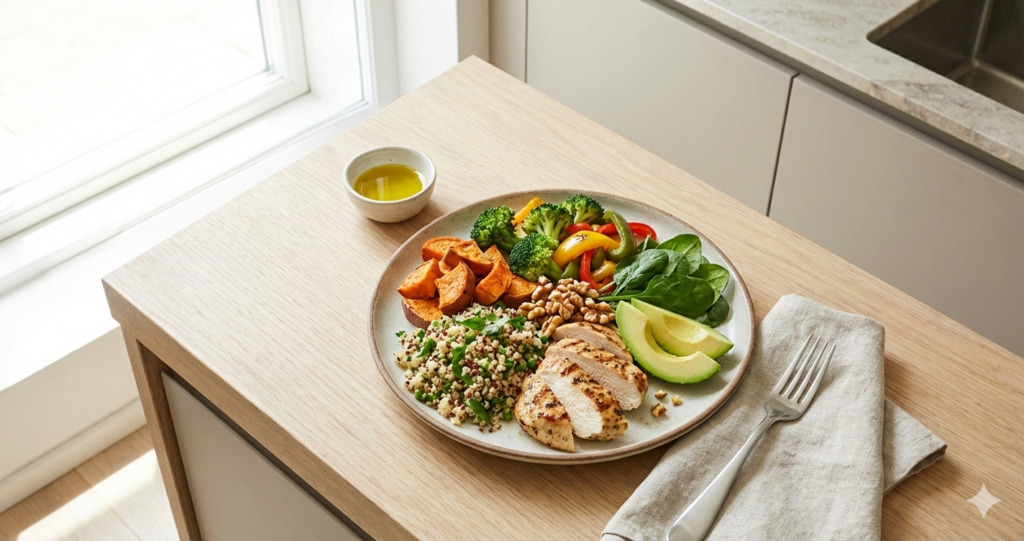
Nutrition plays a central role in weight loss, but restriction is not the answer. The goal is balance, nourishment, and consistency.
Core Nutrition Principles
- Prioritize whole, minimally processed foods
- Include adequate protein for satiety and muscle support
- Balance carbohydrates and healthy fats
- Avoid extreme calorie deficits
A deeper understanding of food choices is covered in this diet and nutrition weight loss guide, which explains how to build meals that support fat loss without deprivation.
4. Vegetarian and Plant-Based Weight Loss Options
Women following vegetarian diets can lose weight effectively when meals are balanced and protein intake is sufficient.
Well-structured plans emphasize:
- Lentils, beans, tofu, and Greek yogurt
- Fiber-rich vegetables
- Healthy fats from nuts and seeds
This approach is explored in detail in scientifically proven vegetarian diet plans for quick weight loss
5. Understanding Calories Without Obsession
Calories matter, but they are not the only factor. Hormones, sleep, stress, and food quality all influence how calories are used.
For awareness—not perfection—many women use tools like:
These tools help estimate baseline needs but should not override hunger cues or energy levels.
6. Exercise and Weight Loss: What Actually Matters
Exercise supports fat loss, improves metabolic health, and preserves muscle—but more is not always better.
Fat Loss vs. Weight Loss
- Weight loss includes water and muscle
- Fat loss targets body fat while preserving lean mass
This distinction explains why structured movement is essential, as discussed in why exercise is key to weight loss.
7. Home Workouts for Busy Women
Here’s a beginner-friendly workout you can follow at home that complements the strategies outlined above:
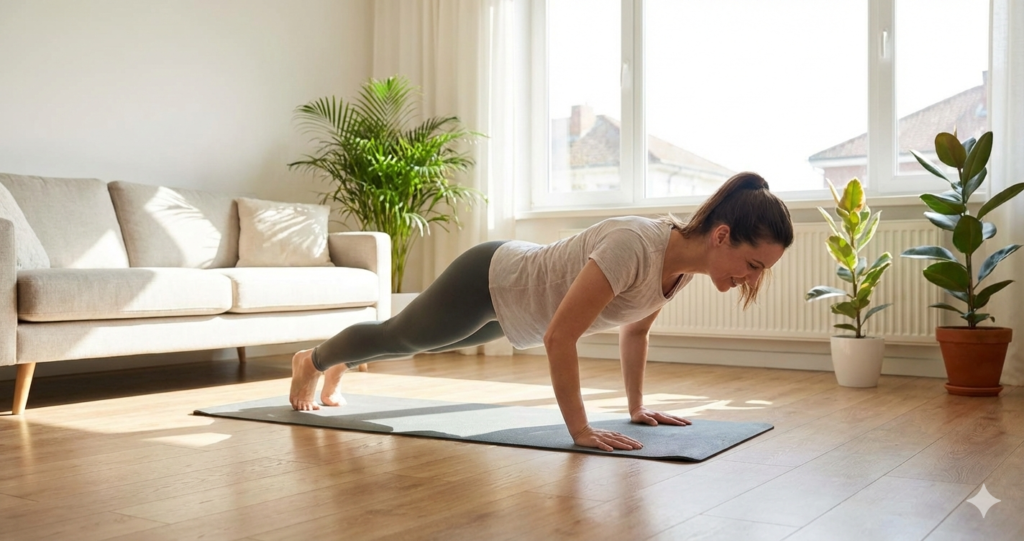
Home workouts remove barriers like time constraints and gym anxiety.
Benefits include:
- Flexible scheduling
- Comfort and privacy
- Improved consistency
Beginner-friendly routines are covered in simple weight loss home workouts for women.
8. Strength Training Without the Gym
Strength training supports metabolism and body composition, even without equipment.
Bodyweight exercises such as squats, lunges, push-ups, and planks can be highly effective when performed consistently.
Learn how to start safely with body weight training for weight loss at home.
9. Cardio: How Much Is Enough?
Moderate cardio improves heart health and daily calorie expenditure.
Examples include:
- Brisk walking
- Cycling
- Swimming
- Low-impact aerobics
The CDC recommends 150 minutes of moderate activity per week, which can be split into short sessions.
10. HIIT Workouts for Women
High-Intensity Interval Training (HIIT) is efficient but not mandatory.
HIIT is best suited for women who:
- Have some fitness experience
- Recover well
- Prefer short workouts
Beginner-friendly formats are explained in HIIT workouts at home for women.
11. Exercise Programs for Beginners
Starting slow builds confidence and prevents injury.
Programs designed for beginners emphasize:
- Proper form
- Gradual progression
- Adequate recovery
Helpful routines are shared in weight loss exercises for beginners.
12. Sleep and Weight Loss Connection

Sleep directly impacts hunger hormones, energy, and fat storage.
Women who sleep poorly often experience:
- Increased cravings
- Reduced motivation
- Slower recovery
Learn how sleep supports fat loss in how many hours to sleep for weight loss.
13. Stress, Cortisol, and Emotional Eating
Chronic stress raises cortisol levels, which may increase appetite and fat storage—especially around the abdomen.
Reducing stress does not require perfection. Even small habits like walking, breathing exercises, and boundaries can help.
14. Hormones, Life Stages, and Weight Loss
Hormonal changes during postpartum recovery, perimenopause, and menopause can affect weight loss.
Postpartum women benefit from gradual, supportive strategies explained in quickest ways to lose weight after having a baby.
15. Tracking Progress Without Burnout
Tracking should support awareness, not pressure.
Useful methods include:
- Weekly weigh-ins
- Tracking habits instead of calories
- Monitoring how clothes fit
Tools like the BMI calculator and body fat percentage calculator can provide context, not judgment.
16. Motivation That Actually Lasts
Motivation fades. Systems last.
Long-term success comes from:
- Realistic routines
- Flexible planning
- Identity-based habits
- Self-compassion
Busy women often benefit from strategies shared in weight loss tips for working professionals.
17. Plateaus Are Normal
Plateaus happen due to:
- Metabolic adaptation
- Water retention
- Improved fitness masking fat loss
Instead of drastic changes, review sleep, stress, nutrition, and recovery.
18. Weight Maintenance: The True Success
The goal is not just losing weight—but keeping it off.
Maintenance involves:
- Consistent movement
- Balanced eating
- Periodic self-check-ins
- Adjusting habits as life changes
Frequently Asked Questions (FAQs)
How long does sustainable weight loss take?
Most women see gradual progress over weeks and months, not days.
Can I lose weight without intense workouts?
Yes. Nutrition, sleep, and consistent movement matter more than intensity.
Is weight fluctuation normal?
Yes. Hormones, sodium, and hydration affect short-term weight.
Do I need to count calories forever?
No. Many women transition to intuitive eating over time.
Final Thoughts: A Healthier Way Forward
Sustainable weight loss is not about restriction—it is about alignment with your body and lifestyle. Women who focus on habits, not extremes, are far more likely to succeed long term.
At Wellness Secret, we believe weight loss should support your life—not control it.
Medical Disclaimer
This article is for informational purposes only and does not provide medical advice. Always consult a qualified healthcare professional before making changes to your diet, exercise, or health routine.