

Introduction
Balancing a full-time job, family responsibilities, and personal health is not easy. Many working professionals struggle with weight gain due to long sitting hours, stress, irregular meals, and lack of time. The good news is that weight loss does not require extreme dieting or intense workouts. With small, consistent lifestyle adjustments, busy professionals can support gradual and sustainable weight loss.
This guide shares beginner-friendly weight loss tips for working professionals, designed to fit into a busy schedule while supporting long-term health.
Some professionals find it helpful to hear expert-backed guidance on sustainable weight loss habits.
Why Weight Loss Is Challenging for Working Professionals
Modern work life often encourages habits that make weight management difficult.
Common challenges include:
- Prolonged sitting during office hours
- Skipped meals or reliance on processed foods
- High stress levels
- Limited time for exercise
- Poor sleep quality
Understanding these barriers helps create realistic strategies that actually work.
1. Eat Regular, Balanced Meals
Skipping meals may seem like a time-saver, but it often leads to overeating later in the day.
A balanced meal typically includes:
- Lean protein for fullness
- Whole grains for steady energy
- Vegetables and fruits for nutrients
- Healthy fats in moderation
Regular meals may help stabilize energy levels and reduce unhealthy snacking.
2. Plan Simple Meals Ahead of Time
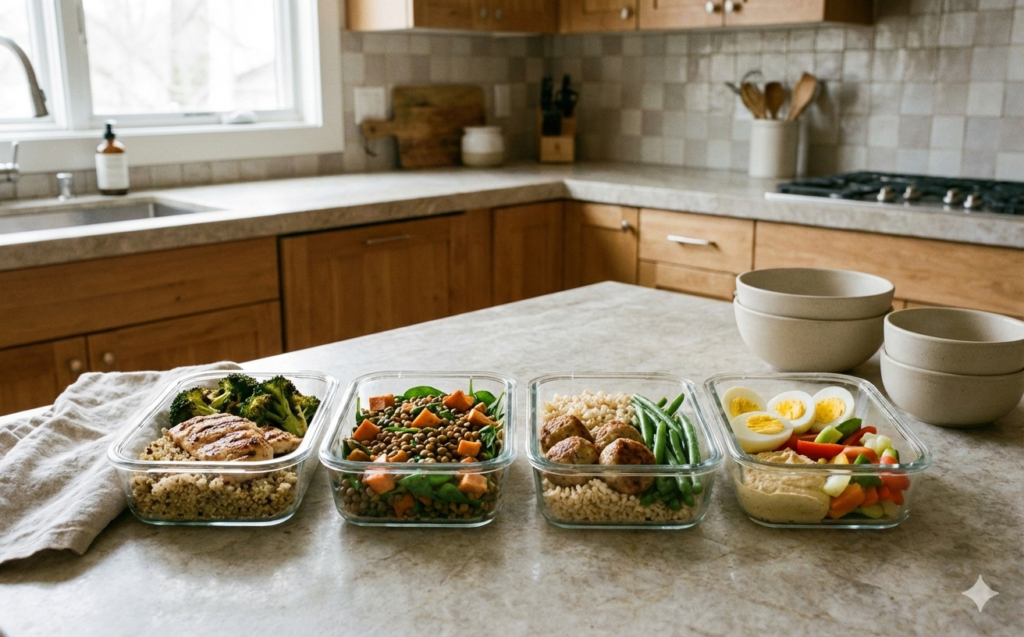
Meal planning does not need to be complicated. Preparing a few meals in advance can reduce reliance on fast food and office snacks.
Simple planning ideas:
- Cook in batches on weekends
- Keep healthy frozen options available
- Pack lunch the night before work
Many professionals find that basic meal prep supports better food choices during busy weeks.
3. Stay Hydrated During the Workday
Mild dehydration is often mistaken for hunger.
Helpful hydration habits:
- Keep a refillable water bottle at your desk
- Drink water before meals
- Limit sugary drinks and sodas
According to Harvard Health, proper hydration is associated with healthier eating behaviors.
4. Choose Smarter Office Snacks

Office environments often encourage mindless snacking.
Better snack options include:
- Nuts or seeds
- Fresh fruit
- Greek yogurt
- Roasted chickpeas
Choosing nutrient-dense snacks may help prevent energy crashes and overeating.
5. Add Movement Into Your Workday

You do not need long gym sessions to stay active.
Easy ways to move more:
- Take short walking breaks
- Use stairs when possible
- Stretch between meetings
Many beginners prefer simple home workouts because they are easier to stay consistent with after work.
6. Practice Portion Awareness
Even healthy foods can contribute to weight gain if portions are too large.
Portion awareness tips:
- Eat slowly
- Use smaller plates
- Stop eating when comfortably full
Mindful eating habits may support better calorie control over time.
7. Manage Work-Related Stress
Chronic stress is associated with emotional eating and poor sleep.
Gentle stress-management ideas:
- Deep breathing exercises
- Short outdoor walks
- Limiting screen use after work
Research summarized by Mayo Clinic suggests stress management plays a role in overall weight health.
8. Prioritize Sleep as a Health Habit

Sleep often gets overlooked in weight loss discussions.
Helpful sleep practices:
- Aim for a consistent sleep schedule
- Avoid screens before bedtime
- Create a relaxing evening routine
The CDC highlights sleep as an important factor in metabolic and overall health.
9. Avoid Extreme Diets and Quick Fixes
Busy professionals are often targeted by fad diets promising fast results.
These approaches may:
- Increase stress
- Reduce energy levels
- Be difficult to maintain
Balanced, realistic habits are more sustainable for long-term health.
10. Focus on Consistency, Not Perfection
Weight loss progress is rarely linear.
Helpful reminders:
- Small changes add up
- Missed days are normal
- Long-term habits matter more than short-term results
Consistency may support gradual and lasting improvements.
Wellness Secret Insight
From years of observing real-life routines, one pattern stands out: professionals who succeed with weight loss keep their habits simple. Walking regularly, eating balanced meals, and managing stress consistently tend to matter more than strict plans or intense schedules.
Practical Daily Habits for Busy Professionals
| Habit | Why It Helps | Simple Starting Point |
|---|---|---|
| Meal planning | Reduces unhealthy choices | Prep 2–3 meals weekly |
| Daily movement | Supports calorie balance | 10–15 minute walks |
| Hydration | Helps appetite control | Desk water bottle |
| Sleep routine | Supports metabolism | Fixed bedtime |
Frequently Asked Questions
Can working professionals really lose weight with limited time?
Yes. Small, consistent habits like meal planning and short walks may support gradual weight loss.
How much exercise is enough with a busy schedule?
Even 20–30 minutes of daily movement can be beneficial when combined with balanced nutrition.
Are office snacks bad for weight loss?
Not all snacks are unhealthy. Choosing nutrient-dense options may help manage hunger.
Does sitting all day affect weight gain?
Prolonged sitting is associated with reduced calorie burn, which is why regular movement breaks help.
Is dieting necessary for weight loss?
Extreme dieting is not required. Balanced eating patterns are often more sustainable.
How long does weight loss take for busy professionals?
There is no fixed timeline. Progress varies based on habits, consistency, and lifestyle factors.
Conclusion
Weight loss for working professionals does not need to feel overwhelming. By focusing on realistic habits—balanced meals, regular movement, stress management, and quality sleep—busy individuals can support sustainable progress over time.
Medical Disclaimer
This article is for educational purposes only and does not provide medical advice. It is not intended to diagnose, treat, or prevent any health condition. Always consult a qualified healthcare professional before making changes to your diet or activity level.