
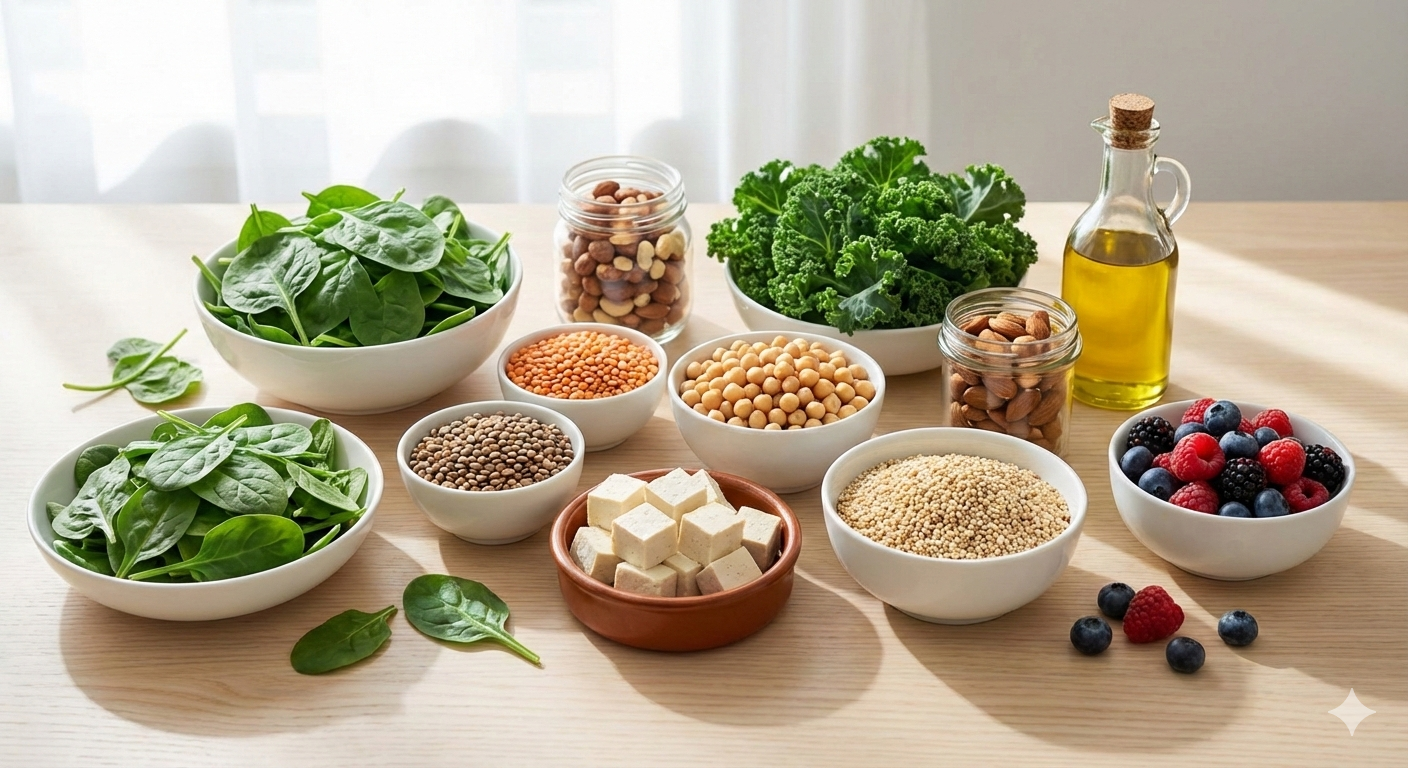
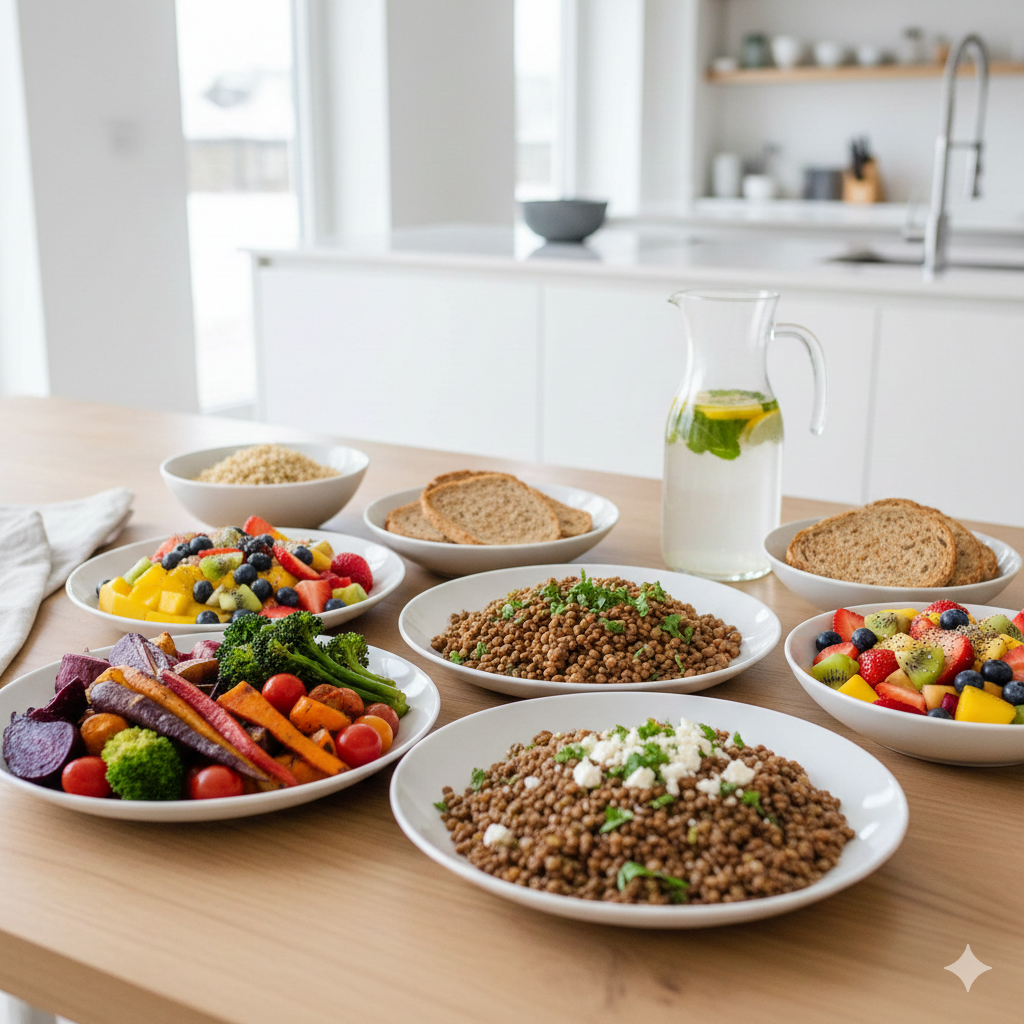
Losing weight does not require extreme dieting, starvation, or eliminating entire food groups. In fact, scientific evidence consistently shows that well-planned vegetarian diets can support faster and more sustainable weight loss while improving overall health markers.
According to Healthline, people who follow vegetarian or plant-forward diets tend to have lower body weight, reduced body fat percentage, and improved metabolic health compared to those who eat meat regularly.
In this comprehensive guide, you’ll discover 10 scientifically proven vegetarian diet plans that support quick weight loss, how each one works, and how to choose the best option based on your goals and lifestyle.
Why Vegetarian Diets Support Faster Weight Loss (Science-Backed)
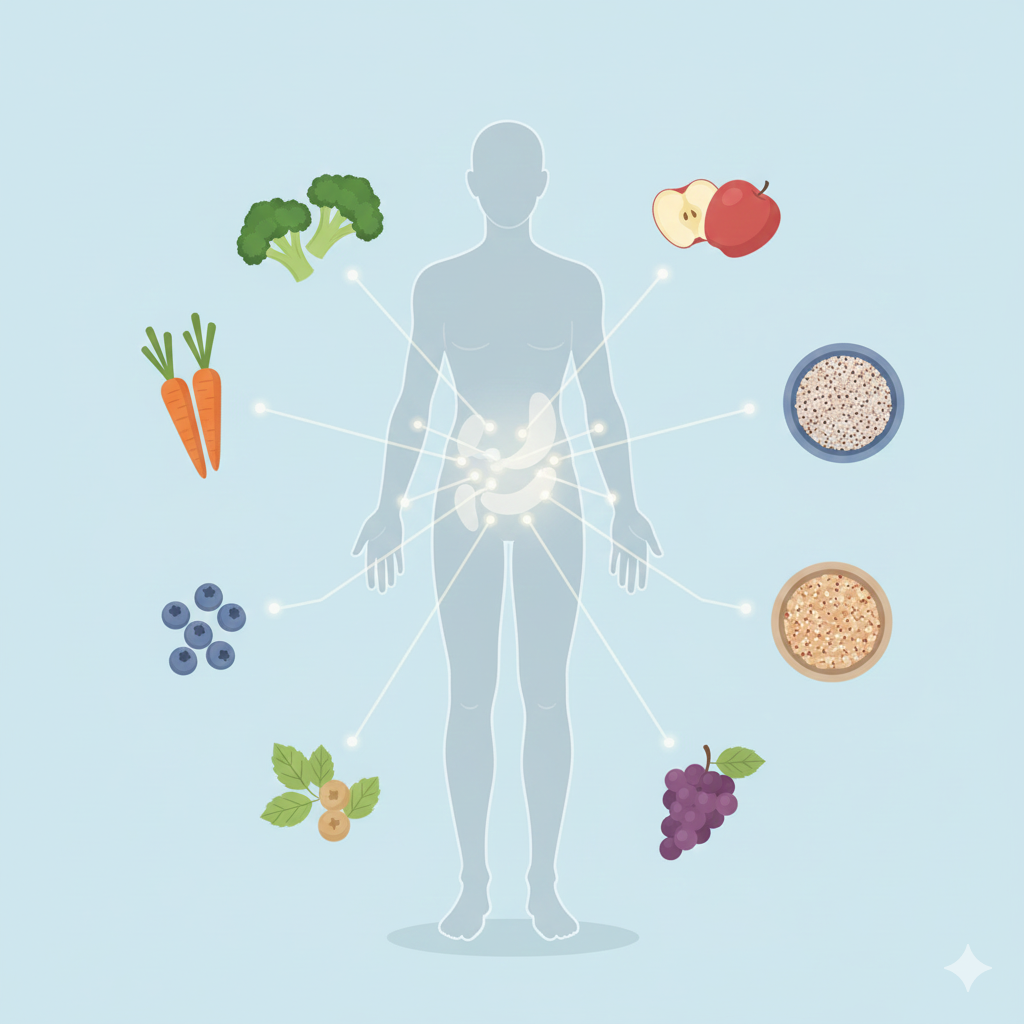
Weight loss fundamentally depends on creating a calorie deficit, but the quality of those calories matters.
According to WebMD, vegetarian diets naturally promote weight loss because they emphasize:
- High-fiber foods that improve satiety
- Lower energy density meals
- Better insulin sensitivity
Fiber slows digestion and helps regulate blood sugar levels, which reduces hunger and cravings throughout the day.
Before choosing a diet plan, it’s important to understand your current body metrics:
- Use the BMI Calculator to assess your weight category:
- Track fat loss more accurately with the Body Fat Percentage Calculator:
Flexitarian Diet (Best for Beginners)
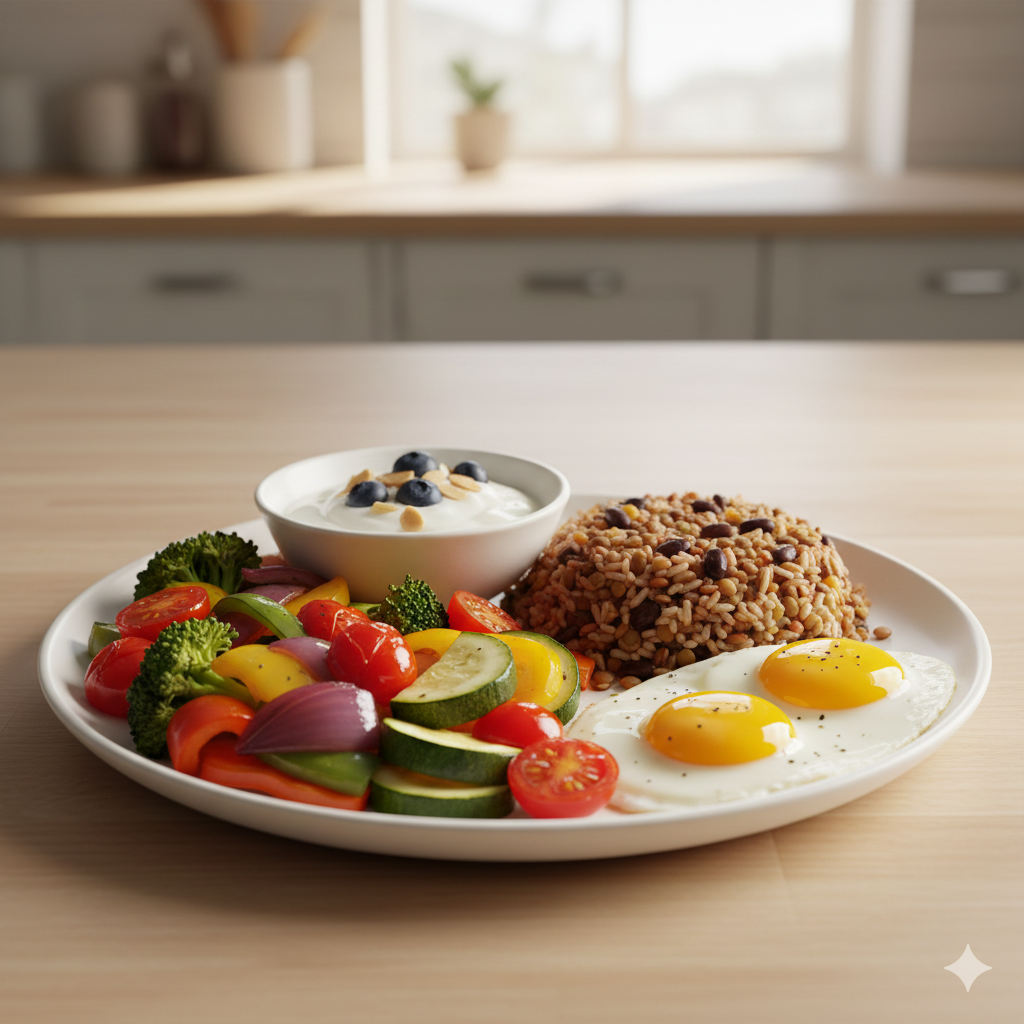
The Flexitarian Diet is mostly plant-based but allows occasional animal products. It offers flexibility without sacrificing the benefits of vegetarian eating.
According to Healthline, flexitarian diets are associated with lower body weight and reduced risk of metabolic diseases because they emphasize whole, minimally processed foods.
Why it works for weight loss
- Naturally reduces calorie-dense foods
- Easier to maintain long term
- Encourages gradual habit changes
This approach is ideal for beginners who want results without strict rules.
Traditional Vegetarian Diet
A traditional vegetarian diet eliminates meat, fish, and poultry while focusing on:
- Vegetables and fruits
- Whole grains
- Legumes, nuts, and seeds
Research published through the National Institutes of Health (NIH) shows that vegetarian populations consistently have lower rates of obesity and improved cardiovascular health.
To ensure steady fat loss, daily calorie needs should align with your metabolism. You can calculate this using the Calorie Calculator on Wellness Secret:
Lacto-Ovo Vegetarian Diet
This variation allows eggs and dairy, making it easier to meet protein and calcium needs.
According to WebMD, protein from eggs and dairy helps preserve lean muscle mass during weight loss, which supports a higher metabolic rate.
To personalize your intake, estimate your resting energy needs with the BMR Calculator:
Vegan Diet for Weight Loss
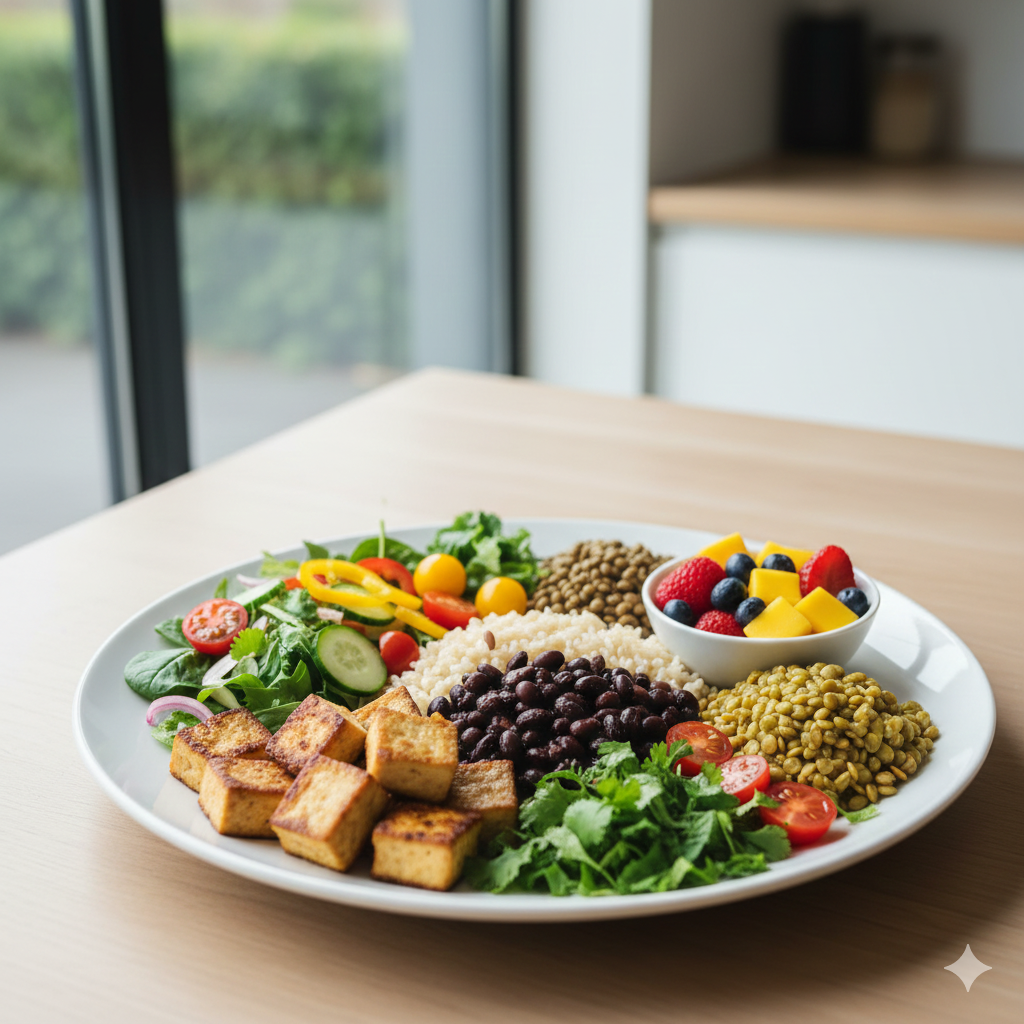
A vegan diet removes all animal-derived foods and focuses exclusively on plant-based nutrition.
Healthline’s analysis of clinical studies shows that vegan diets often result in greater short-term weight loss when based on whole foods rather than processed alternatives.
⚠️ Important note: Nutrients such as vitamin B12, iron, and omega-3 fatty acids should be monitored carefully.
Whole-Food Plant-Based (WFPB) Diet
The WFPB diet emphasizes minimally processed plant foods and avoids refined oils, sugars, and ultra-processed products.
According to Healthline, this approach is particularly effective for reducing abdominal fat and insulin resistance, both of which are linked to weight gain.
This is one of the most research-supported vegetarian approaches for long-term fat loss.
High-Protein Vegetarian Diet
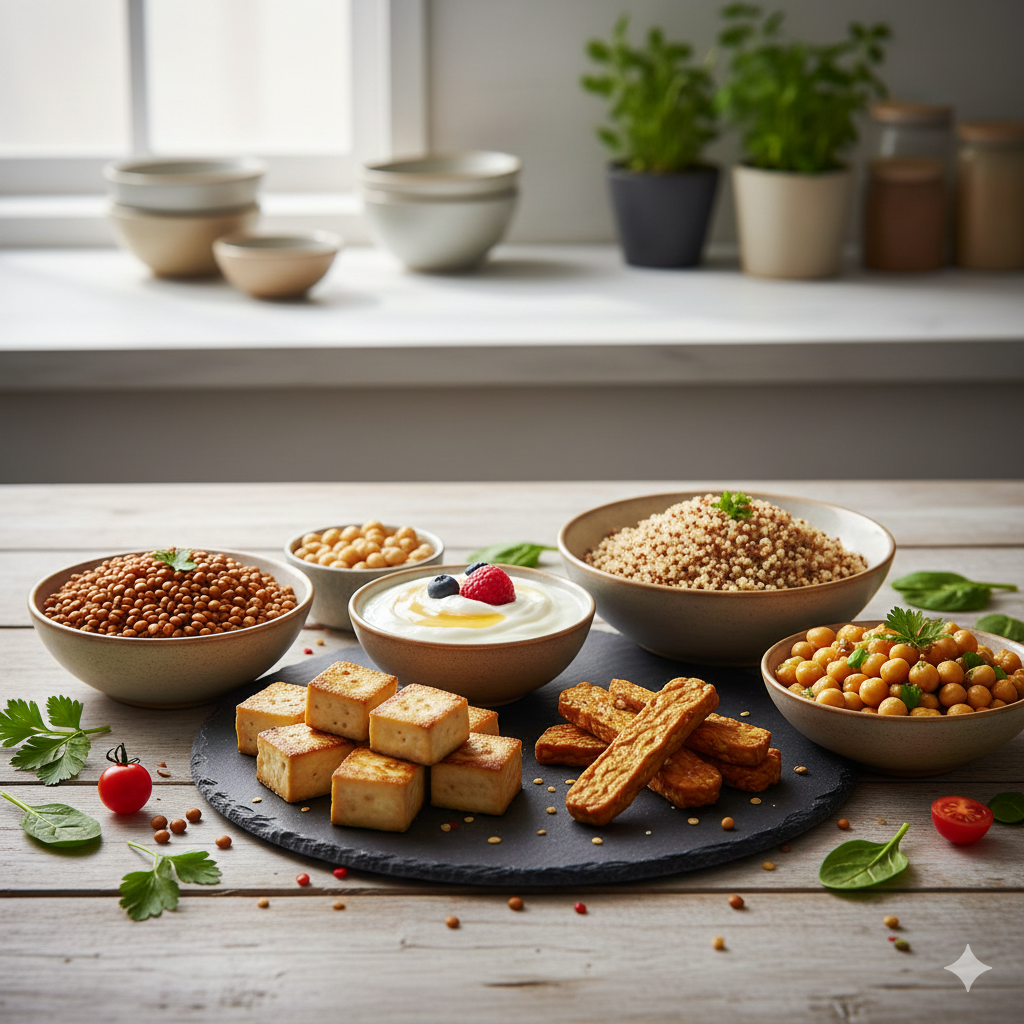
Protein plays a critical role in appetite regulation and muscle preservation.
According to WebMD, higher protein intake:
- Reduces hunger hormones
- Increases fullness
- Prevents muscle loss during weight loss
Top vegetarian protein sources
- Lentils and chickpeas
- Tofu and tempeh
- Greek yogurt
- Quinoa
Balancing protein with calories is easier when you track intake using the Calorie Calculator:
Mediterranean Vegetarian Diet
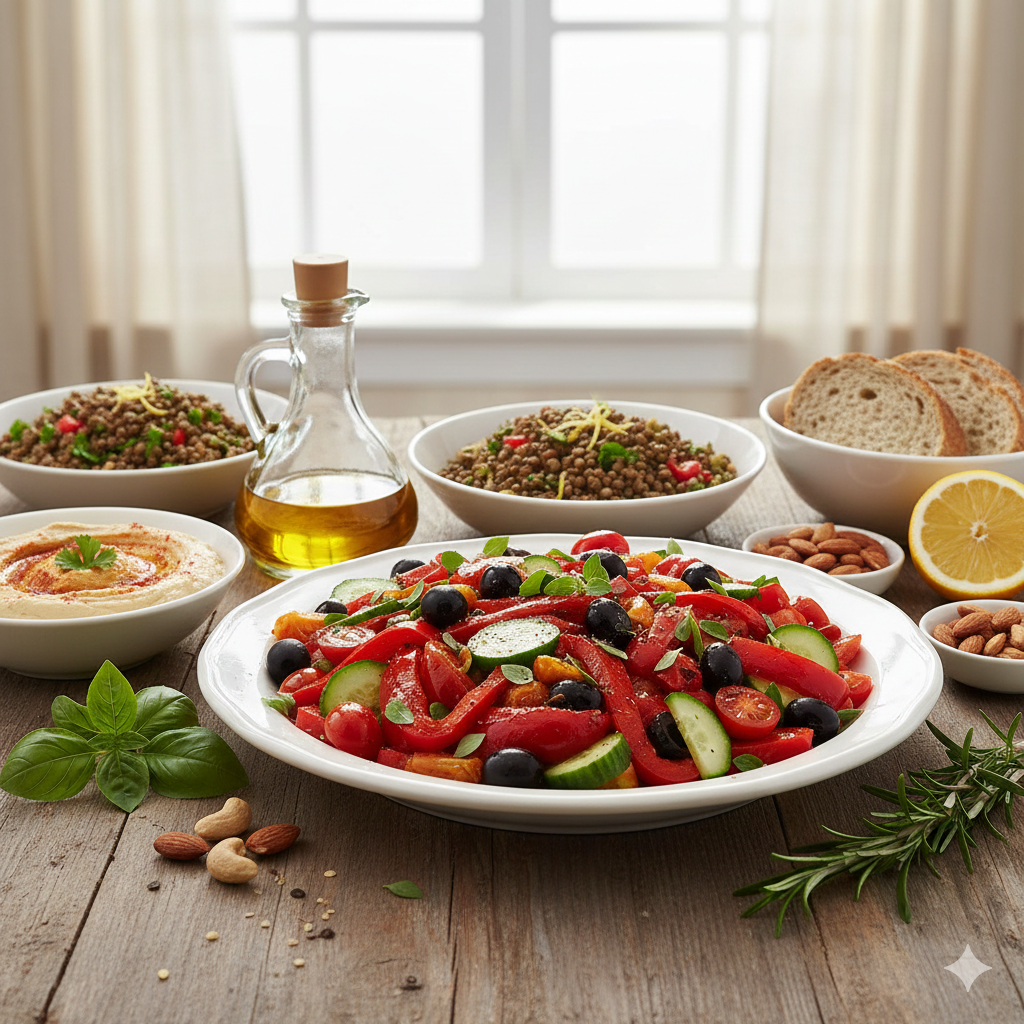
This diet combines vegetarian eating with Mediterranean principles such as:
- Olive oil
- Nuts and seeds
- Legumes and vegetables
Healthline consistently ranks the Mediterranean diet as one of the best diets for weight loss and heart health.
Healthy fats improve satiety, helping you maintain a calorie deficit more comfortably.
Sattvic-Style Vegetarian Diet
A Sattvic-style vegetarian diet emphasizes fresh, light, and minimally processed foods.
According to Verywell Health, this type of eating supports digestion and hormonal balance, which can indirectly aid weight management.
This approach is best for individuals seeking both physical and mental balance.
Low-Calorie Vegetarian Diet
Low-calorie vegetarian diets typically range between 1,200 and 1,500 calories per day.
According to Healthline, maintaining a calorie deficit is the primary driver of weight loss regardless of diet type.
Tracking intake with the Calorie Calculator ensures the deficit remains safe and sustainable.
Structured 7-Day Vegetarian Meal Plan
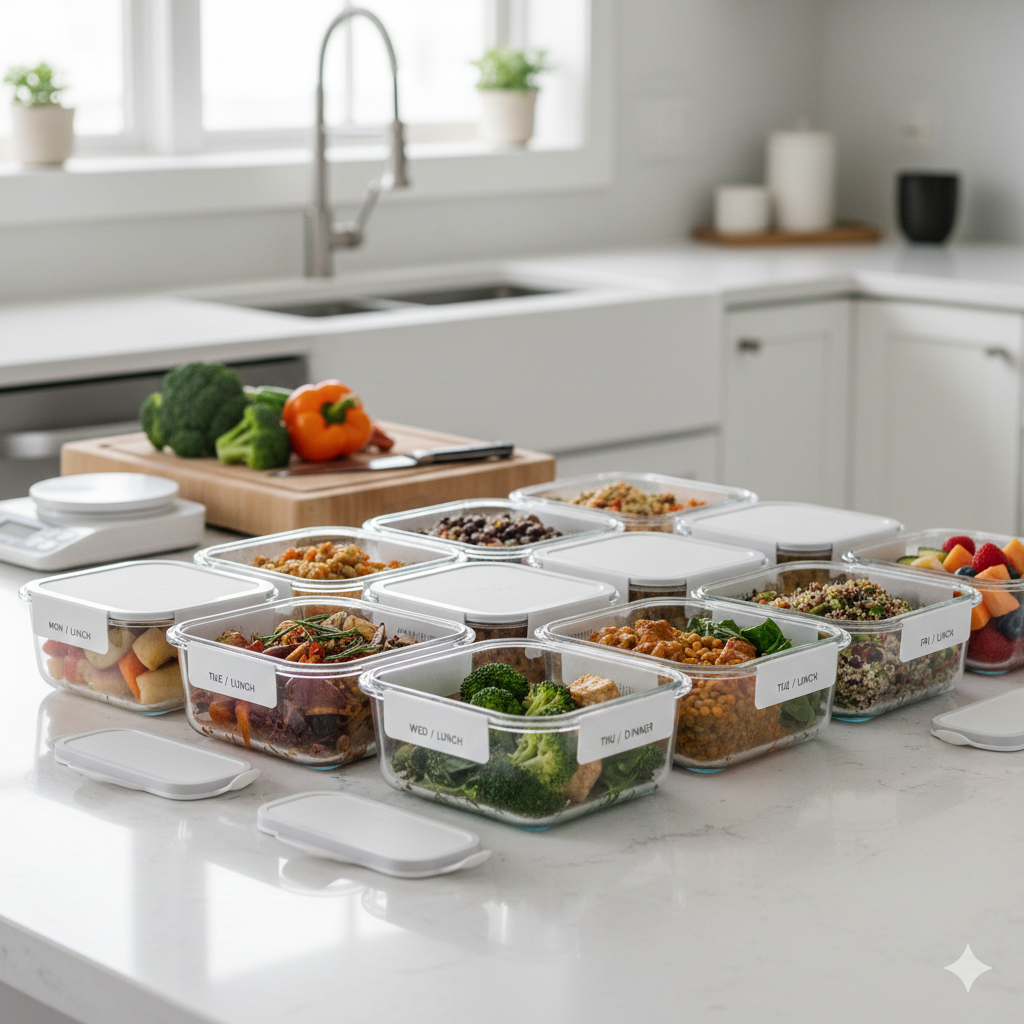
Structured meal plans help reduce decision fatigue and improve consistency, especially for beginners.
Sample Daily Meal Plan
| Meal | Example |
|---|---|
| Breakfast | Oatmeal with chia seeds and berries |
| Snack | Greek yogurt with almonds |
| Lunch | Quinoa and chickpea salad |
| Snack | Carrot sticks with hummus |
| Dinner | Stir-fried tofu with vegetables |
Additional Tips to Accelerate Weight Loss
According to Healthline’s expert recommendations:
- Include protein at every meal
- Avoid liquid calories
- Combine diet with strength training
To track progress effectively, regularly monitor:
- BMI using the BMI Calculator
- Fat loss using the Body Fat Percentage Calculator
Frequently Asked Questions (FAQs)
Can a vegetarian diet reduce belly fat?
Yes. WebMD reports that high-fiber plant-based diets help reduce visceral fat associated with metabolic disease.
Do I need to count calories on a vegetarian diet?
Not always, but calorie awareness significantly improves results, especially for faster weight loss.
Which vegetarian diet is best for weight loss?
The best diet is the one you can follow consistently while meeting your nutritional needs.
Medical Disclaimer
This content is for informational purposes only and does not constitute medical advice. Always consult a qualified healthcare professional before making dietary changes, especially if you have medical conditions or are taking medication.

Conclusion
Scientific evidence clearly supports vegetarian diets as a safe, effective, and sustainable approach to weight loss. Whether you choose a flexitarian, vegan, high-protein, or whole-food plant-based plan, success depends on food quality, consistency, and personalization.
By combining the right diet with smart tools like the BMI Calculator, BMR Calculator, Body Fat Percentage Calculator, and Calorie Calculator from you can achieve lasting fat loss while improving overall health.